
NIHB Coverage for Medical Supplies: What's Included and How to Claim

Getting medical supplies covered through NIHB shouldn't feel like pulling teeth. Yet too many people get tangled up in the paperwork before they even place their first order. Between prior approvals, prescriber rules, and benefit codes, it's easy to feel lost. This guide cuts through the clutter.

You'll learn what the Non Insured Health Benefits program actually pays for, from ostomy bags to wound dressings and more importantly, how to navigate the claim process without losing your mind over forms.
What Is the NIHB Program?
So what exactly is this program anyway? NIHB stands for Non Insured Health Benefits. It's a federal initiative that fills the coverage gaps left by provincial health plans for registered First Nations and recognized Inuit. Think of your provincial plan as the foundation doctor visits, hospital stays, basic stuff. NIHB builds on top of that. It covers prescription drugs, dental work, vision care, mental health counselling, and the focus here: medical supplies and equipment.
For supplies in particular, NIHB publishes a detailed guide called the Medical Supplies and Equipment Benefit List. It's not a static document. Items get added, removed, or tweaked every so often. That means checking the latest version before you order something is always a good habit. Assuming yesterday's coverage applies today can lead to unpleasant surprises at the checkout counter.
What Medical Supplies Does NIHB Cover?
NIHB medical supplies coverage spans multiple categories. The program organizes eligible items into specific benefit categories, each with its own set of rules, prescriber requirements, and sometimes prior approval conditions.
Categories of Covered Supplies
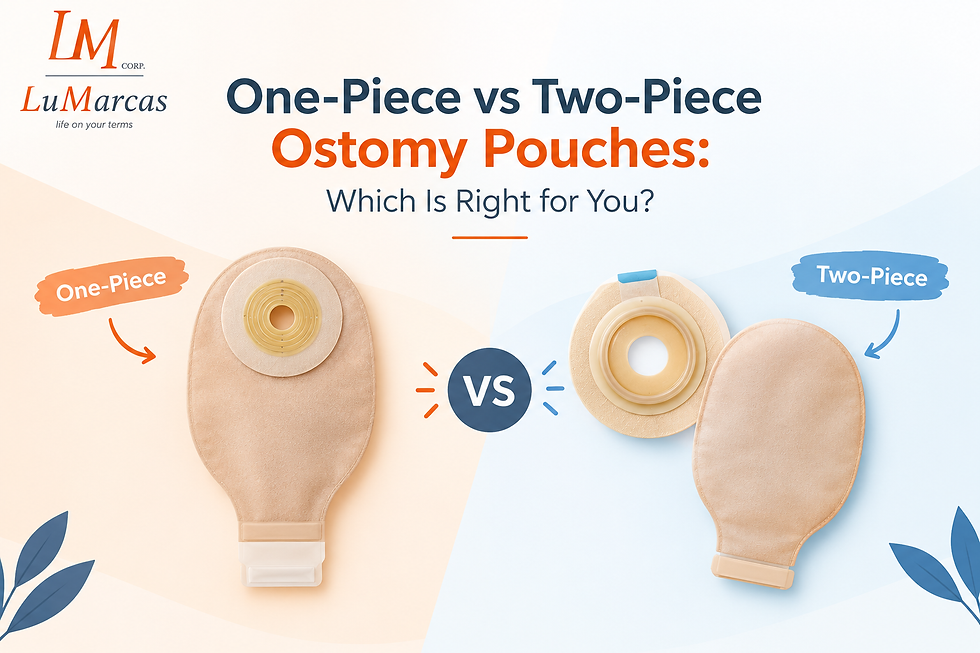
Ostomy Supplies – Products related to ostomy care, including pouches, barriers, and accessories. These items help individuals manage daily life after ostomy surgery.
Incontinence Products – The program covers adult diapers, pull ups, and disposable liners. NIHB introduced a price file for these items back in 2012, with specific benefit codes and set pricing structures for providers to follow.
Wound Care – Dressings, bandages, gauze, and specialized wound care products fall under this category. Some items like adhesive suture strips are listed as open benefits with recommended replacement guidelines.
Respiratory Equipment – CPAP machines, oxygen supplies, and other respiratory devices are covered. Prior approval is required for all respiratory benefits. Note that cleaning systems for PAP machines and sanitizing devices are excluded from coverage.
Pressure Devices – Compression stockings, burn garments, and other pressure‑related equipment. These items must be properly fitted by certified professionals.
Mobility and Self‑Care Equipment Walkers, wheelchairs, bathroom safety equipment, and other mobility aids.
Medical Surgical Supplies – Surgical trays, bandages, and related medical surgical items. Environmental protection devices like air cleaners and face masks are excluded.
Communication and Low Vision Devices – Speech generating devices, white canes, and assistive technology.
Prosthetics and Orthotics – Braces, prostheses, custom made footwear, and related items.
Recent Additions to Coverage
The NIHB program keeps evolving. Recent updates include coverage for EnFit feeding syringes in 3cc/mL and 20cc/mL sizes. Prosthetic supplies now include coverage for replacement skin finishes for prosthetic devices. For clients managing diabetes with insulin, Dexcom CGM is covered in full under the program.
Who Can Claim NIHB Medical Supplies?
Eligibility comes down to a few key requirements. You must be a registered First Nations person or an Inuk recognized by one of the Inuit organizations. You must also be a Canadian resident. Additionally, you cannot have full coverage for the same medical supplies from another source like a provincial plan, workers' compensation, or private insurance.
The NIHB Claim Process for Medical Supplies
Getting your medical supplies covered involves a few steps. The process differs depending on whether you're working with a provider who bills NIHB directly or submitting a claim yourself.
Step 1: Get a Prescription or Recommendation
Every item you claim must be prescribed or recommended by an NIHB‑recognized health professional. The specific prescriber depends on the type of supply. For medical surgical items, recognized prescribers include physicians, nurse practitioners, registered nurses, licensed practical nurses, and nurse specialists in wound, ostomy, and continence care.
Using a prescriber not recognized by NIHB for a particular item will result in denied claims. So double‑check who can prescribe what before you start.
Step 2: Determine If Prior Approval Is Needed
Not all supplies require prior approval, but many do. Respiratory equipment always requires prior approval. Pressure devices and compression garments also need it. For medical surgical items, you'll need to check the specific item in the benefits list to see if prior approval applies.
Step 3: Submit the Prior Approval Form
When prior approval is required, your provider completes the appropriate form found on the Express Scripts Canada NIHB Provider and Client Website. Supporting documentation must include:
The prescription or recommendation signed by an NIHB‑recognized prescriber
Item details like manufacturer name, model or SKU number, size, quantity, and start and end dates
A detailed assessment if required
Any additional supporting information from the provider or other health professionals
An explanation of any third‑party coverage the client has
Submit the completed form and documentation to your NIHB regional office.
Step 4: Submit Your Claim
Once you have approval (or if no approval was needed), it's time to submit the claim. Providers can submit claims manually using the NIHB Medical Supplies and Equipment Claim Form. The program encourages providers to submit manual claims at least every two weeks to speed up payments.
Step 5: Get Reimbursed
If you paid out of pocket and need reimbursement, you can submit a client reimbursement form. Clients can receive payments through direct deposit, which offers a faster and more secure way to get reimbursed.
How Direct Billing Makes Claims Easier
Some suppliers offer direct billing for NIHB, which means you don't have to pay upfront and wait for reimbursement. With direct billing, the provider handles the paperwork, submits the claims, and deals with the administrative side of things.
When you work with a supplier that offers direct billing, the process typically looks like this:
You provide your NIHB client information and any required prescriptions or documentation.
The supplier verifies your coverage and handles the prior approval process if needed.
They submit the claim directly to NIHB through Express Scripts Canada.
The program pays the supplier directly, and you receive your supplies without paying out of pocket.
This approach removes the financial burden of upfront costs and eliminates the hassle of chasing reimbursements.
Common Mistakes to Avoid
Using the wrong prescriber. Each supply category has specific recognized prescribers. Using someone outside that list gets your claim rejected.
Missing prior approval. Some items absolutely require prior approval before you order them. Skipping this step means you're on the hook for the full cost.
Not checking for other coverage. If you have private insurance or provincial coverage for the same item, NIHB won't pay.
Submitting incomplete forms. Missing information on prior approval forms or claim forms leads to delays. Fill everything out completely and include all required documentation.
Assuming all supplies are covered. Items like air cleaners, UV protection garments, and face masks are explicitly excluded. Check the benefits list before you order.
Getting Started with Your NIHB Coverage
Now that you know what's covered and how the claim process works, you can take the next step with confidence. Start by confirming your eligibility and gathering any prescriptions or assessments you already have. Reach out to a supplier that offers direct billing for NIHB many will verify your coverage and guide you through prior approvals at no extra cost.
Whether you need ostomy supplies, incontinence products, wound care, respiratory equipment, or mobility aids, you have options. The key is to choose a provider who understands the NIHB system inside and out, so you don't have to figure it out alone.
Take advantage of the benefits you're entitled to. With the right preparation and a supportive supplier, getting your medical supplies covered becomes a straightforward process, leaving you more time to focus on your health and daily life.


Comments